Loneliness, social isolation and living alone are all associated with increased all-cause mortality, particularly in older adults.
Nakou et al. (2025)
People who feel lonely have a higher risk of developing dementia even after accounting for health and genetic factors.
Luchetti et al. (2024)
Loneliness is now recognised as a major global public health issue. A recent global report estimated loneliness is linked to more than 871,000 deaths worldwide every year.
WHO (2025)
Our befriending
This is community support in its most authentic form.
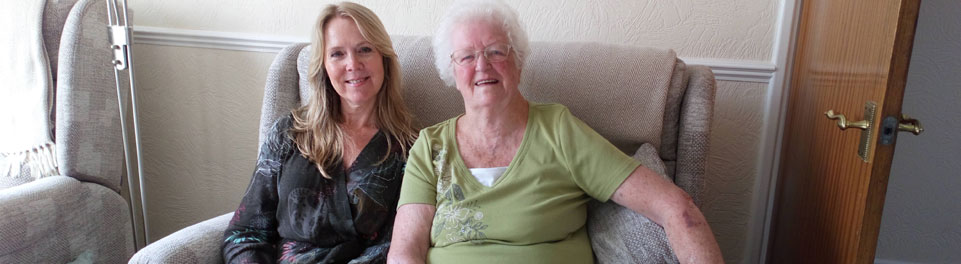
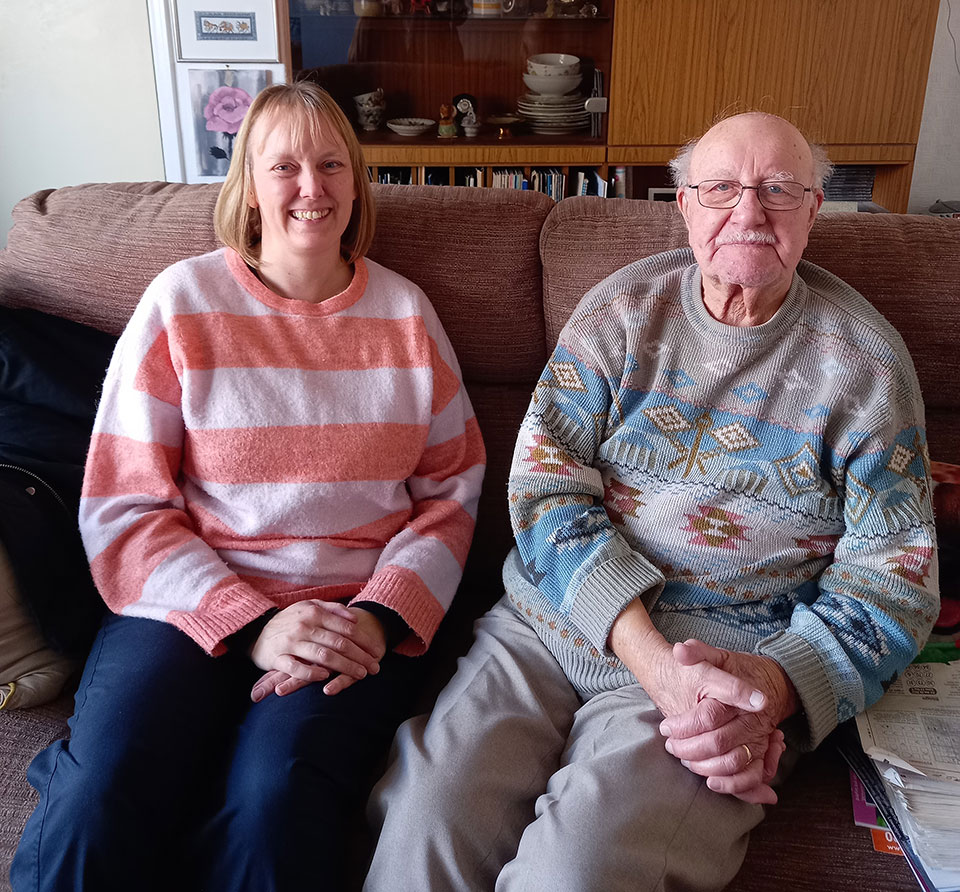
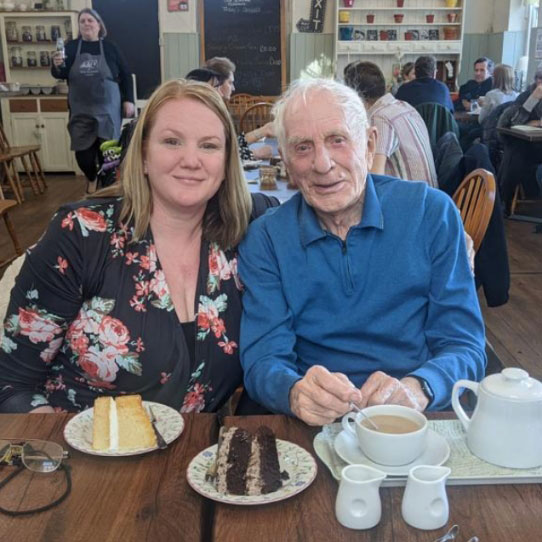
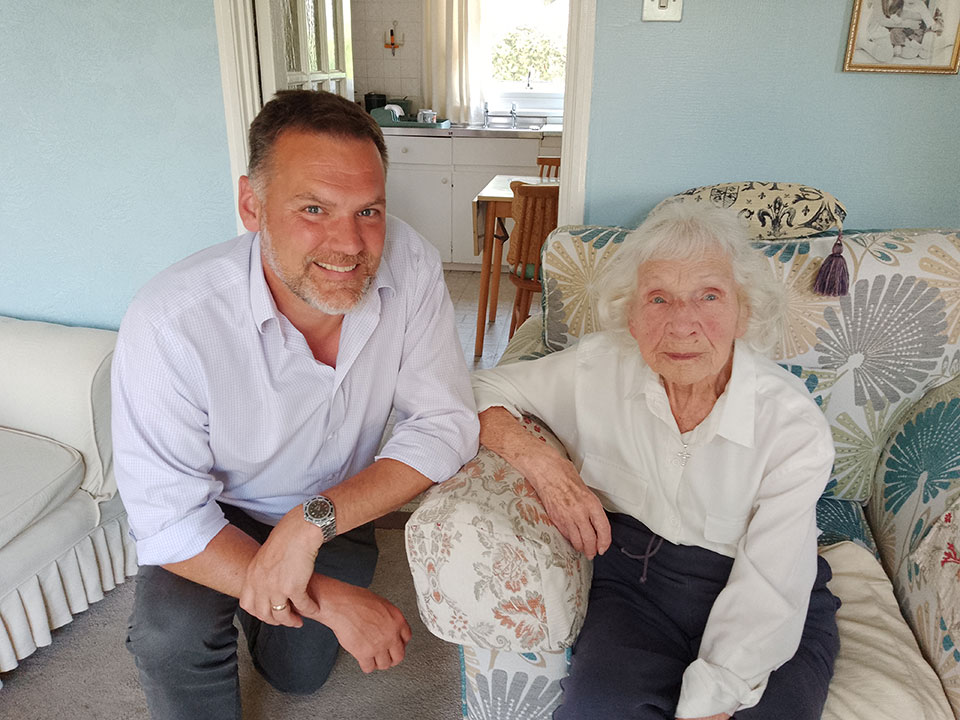
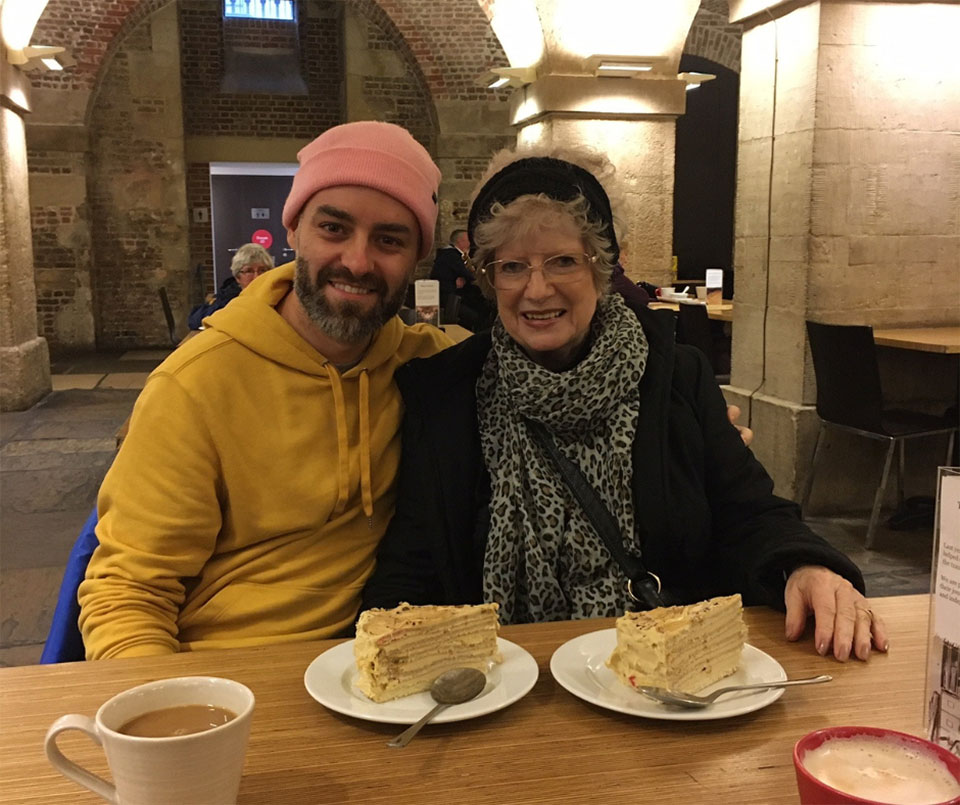
Volunteer befrienders pledge to visit a lonely or socially isolated older neighbour near them for one hour per week for a cuppa and a chat. On the way back from work, the shops, dropping the kids at school – whenever is convenient for both people, a befriender will spend an hour just chatting, listening and supporting someone that otherwise may have no one.
Thanks to our telephone befriending programme, we can support even more isolated older adults. We connect volunteers from all over the UK with an older person living in our areas, asking them to call for a friendly natter once a week.
We pair individuals based on locality (if the befriending is face-to-face) and a range of other factors and preferences. Each befriender and older neighbour receive regular support to ensure they’re benefitting from the project.
Mike experienced loneliness first-hand while working down in London so became a befriender himself to make connections. Seeing how extensive the issue of loneliness and isolation was in the older populations, he decided to do something about it.
Based in a makeshift office in his parents garage in Doncaster, the objective was simple: to reduce the isolation experienced by older neighbours in the town by bringing people together. After a lot of deliberation about a name for the charity, it was named, simply: b:friend.
Since then the charity has grown to cover the whole of South Yorkshire and parts of Derbyshire and Nottinghamshire with plans to expand even further. Over 800 older neighbours engage with the b:friend project each week and this number is set to rise.
Our Social Clubs
No two weeks are the same.
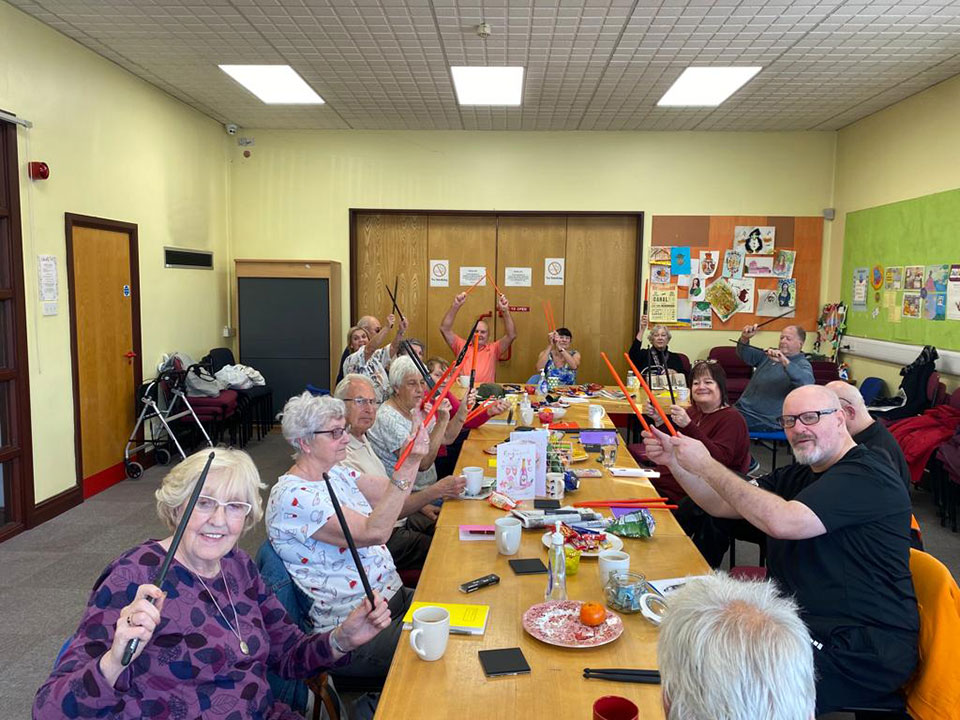
Each club activity is different… and they’re certainly not boring. From shaking-up Bond-style mocktails, performing street-dance routines, exploring fascinating cultures, designing tattoos, chocolate tasting sessions and jiving to Bollywood-inspired music… members are exploring new horizons and getting out of their comfort zone each week.
The Five Ways to Wellbeing model forms a clear framework with which b:friend co-design all group activities. Our Social Clubs ensure attendees are: connected to others through conversation and activity; active through physically engaged sessions; continue to learn through engaging talks, discuss topics of the day and take note of others around them; while giving time, support and attention to others.
Are groups are accessible, safe and inclusive places for all.
Our
Partners
B:friend is lucky to have the fantastic support of some committed and visionary grant funders. To change the status quo there must be a desire to do things differently and we work with some wonderfully forward-thinking organisations, without whom, this project would not exist.
For full details of our partner organisations, see our latest audited annual accounts